February 17, 2026
Prevent Noise Fines in Rentals With Early Detection
Learn how early noise detection helps prevent noise fines in rentals by stopping escalation before neighbours and authorities get involved.
JobelHome
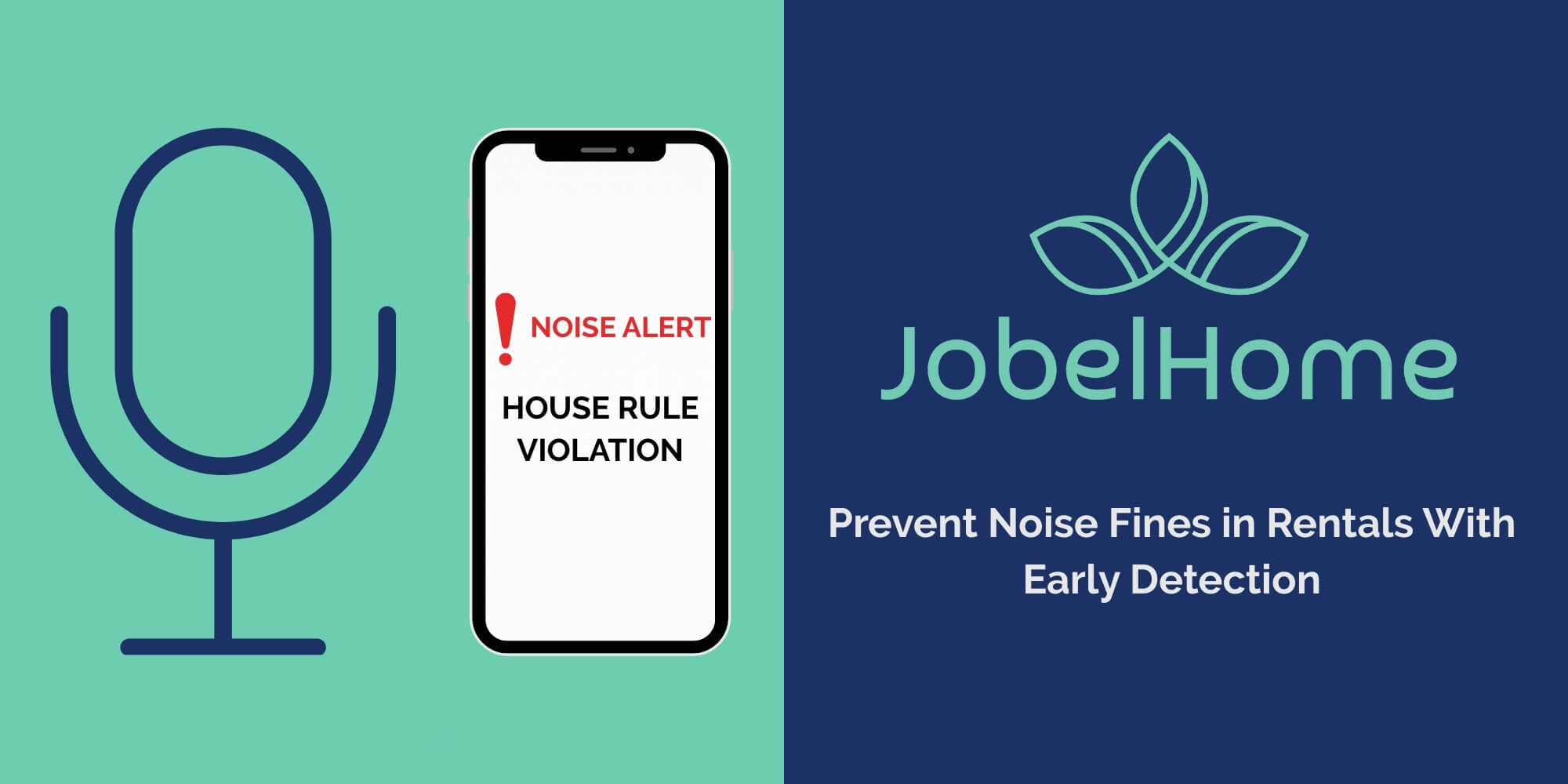
Preventing Noise-Related Fines With Early Detection
Prevent noise fines in rentals has become a central operational concern for short-term rental operators working in residential and regulated environments. Noise-related fines rarely result from a single extreme incident. They usually follow repeated disturbances that escalate without early intervention.
Once authorities are involved, fines are no longer an exception. They become a predictable outcome of missing visibility.
How noise fines usually happen
Noise fines are rarely issued without warning.
The typical sequence looks like this:
Noise increases gradually during a stay
Neighbours tolerate the situation for a while
Complaints are made to building management or local authorities
Repeated incidents are logged
A fine is issued
By the time operators are informed, the threshold for penalties has already been crossed.
This escalation pattern is common in short-term rentals operating in residential areas:
https://www.jobelhome.com/blog/how-early-noise-alerts-prevent-police-and-neighbour-escalations
The hidden cost of reacting after fines appear
Fines are only the visible cost.
The hidden cost includes:
Increased scrutiny from local authorities
Reduced tolerance from neighbours and building management
Platform warnings or listing restrictions
Time spent handling disputes and documentation
Over time, properties that accumulate noise-related fines face long-term viability risks, especially in cities with tightening regulations.
This mirrors broader operational challenges caused by reactive management:
https://www.jobelhome.com/blog/the-operational-cost-of-managing-access-across-multiple-systems
Why manual noise handling leads to fines
Manual noise handling relies on complaints as the trigger for action.
In practice, this means:
Operators learn about issues too late
Guest communication starts under pressure
Authorities are already involved
Resolution happens after tolerance is exhausted
Complaint-based handling does not prevent fines. It documents the path toward them.
This is why manual noise complaint handling consistently fails to stop escalation:
https://www.jobelhome.com/blog/noise-monitoring-device-for-short-term-rentals
How early detection helps prevent noise fines in rentals
To prevent noise fines in rentals, operators need early signals, not complaints.
Early noise detection provides:
Alerts when sound levels exceed acceptable thresholds
Time to intervene before neighbours escalate
A chance to resolve issues quietly
Reduced likelihood of authorities being contacted
Instead of reacting to penalties, operators act while prevention is still possible.
This is how early noise detection is implemented in practice:
https://www.jobelhome.com/noise-detection
Why early alerts change the outcome
Authorities respond to patterns, not single events.
Early alerts allow operators to:
Address issues before they repeat
Demonstrate responsible hosting behaviour
Reduce the likelihood of formal complaints
Keep properties off enforcement radars
This proactive approach aligns with broader responsible hosting practices:
https://www.jobelhome.com/blog/proactive-noise-detection
Preventing fines across growing portfolios
As portfolios grow, the risk of fines increases if noise handling remains manual.
Early noise detection applies consistent logic across:
Multiple apartments
Different buildings
Entire portfolios
Operators gain predictable handling without increasing staff workload or compliance risk.
The same scaling challenge appears across short-term rental operations:
https://www.jobelhome.com/blog/scaling-vacation-rental-business
Conclusion: fines are a late signal
Noise fines are not random. They are the final signal of repeated escalation.
To prevent noise fines in rentals, operators must shift from complaint-driven reaction to early detection. Early alerts restore visibility, reduce escalation, and keep properties aligned with local regulations.
Preventing fines starts with acting before neighbours and authorities are forced to act.
To understand how this fits into modern rental operations, explore JobelHome’s noise detection approach:
https://www.jobelhome.com/noise-detection
Who We Are
JobelHome is a hospitality automation platform helping hotels and holiday homes reduce operational effort, energy waste, and guest friction through smart, connected systems.
Website: https://www.jobelhome.com/
Instagram: https://www.instagram.com/jobelhomeplatform/
LinkedIn: https://www.linkedin.com/company/105750936/admin/dashboard/
Email: hello@jobelhome.com