3. Februar 2026
Smart Home Energy Costs in Vacation Rentals and the Hidden Always On Problem
Smart home energy costs in vacation rentals often rise due to always on systems. Learn why automation without occupancy context increases energy use and how aligned control reduces waste.
JobelHome
The Hidden Cost of ‘Always On’ Smart Homes in Vacation Rentals
Smart homes promise convenience. Lights adjust automatically. Heating responds instantly. Systems are always ready.
In vacation rentals, this “always on” mindset often creates a problem instead of a benefit.
Smart home energy costs in vacation rentals tend to increase quietly, not because the technology is wrong, but because it’s configured for permanent living rather than short-term stays.
When Smart Homes Forget That Nobody Is There
Many vacation rentals are upgraded with smart thermostats, connected lighting, and automated comfort systems. Once installed, these systems often run continuously.
Heating remains active. Cooling stays ready. Hot water systems never truly power down. The property behaves as if someone could walk in at any moment.
This makes sense in a private home. In a vacation rental, it leads to unnecessary energy consumption during long empty periods between bookings.
The smarter the home, the more expensive this can become when automation isn’t aligned with occupancy.
Why “Always Ready” Becomes “Always Expensive”
Smart systems are designed to respond quickly. To do that, they stay active in the background.
In vacation rentals, this means energy is consumed even when there is no guest to benefit from it. Rooms are kept at comfort temperature. Systems cycle constantly to maintain readiness.
Because everything works smoothly, the waste is invisible. Guests don’t complain. Systems don’t fail. Costs simply rise month after month.
This is one of the main reasons smart home energy costs in vacation rentals feel higher than expected after upgrades.
Automation Without Context Creates Waste
Smart homes are only efficient when they understand context.
Without knowing whether a property is occupied, preparing for arrival, or completely empty, automation defaults to “on.” This creates comfort, but not efficiency.
Manual overrides don’t solve the issue. Hosts manage properties remotely. Cleaners focus on turnovers. Expecting someone to actively switch systems on and off defeats the purpose of automation.
This challenge is closely related to broader energy inefficiencies in short-term rentals
https://www.jobelhome.com/blog/airbnb-energy-management
When Smart Homes Follow Bookings Instead of Power States
The solution is not turning smart systems off. It’s making them aware of reality.
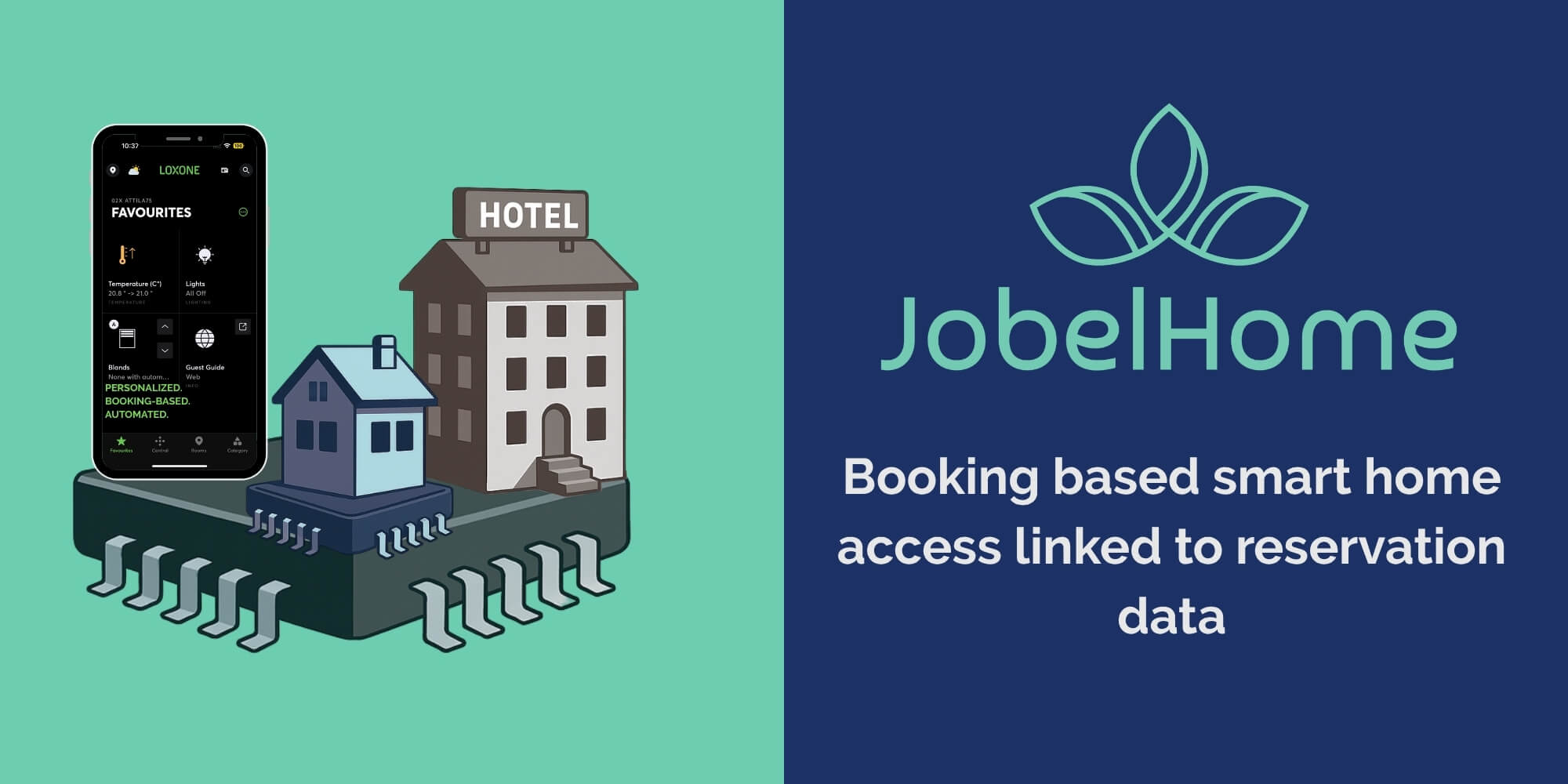
With JobelHome, smart home energy usage is connected to bookings and occupancy. When a guest checks out, the system automatically reduces energy usage across the property. Heating, cooling, and other comfort systems step back without manual intervention.
Before the next arrival, everything prepares itself again at the right time. Comfort is restored only when it’s needed.
This logic is part of JobelHome’s energy management for holiday homes
https://www.jobelhome.com/energy-management-holiday-homes
Automation becomes adaptive instead of constant.
Smart Homes That Save Instead of Consume
Guests don’t notice when a smart home saves energy. They notice when comfort is missing.
By aligning smart home automation with actual usage, vacation rentals avoid the hidden cost of “always on” systems. Energy consumption becomes predictable. Systems work less when no one is there. Comfort remains unchanged during stays.
Smart home energy costs in vacation rentals are not caused by automation itself. They are caused by automation that doesn’t know when to rest.
When smart systems learn to switch off quietly in the background, they finally deliver on their promise of efficiency.
Conclusion
“Always on” smart homes are rarely a technical problem. They are an operational mismatch.
In vacation rentals, efficiency does not come from more automation. It comes from knowing when a property is in use and when it is not. Systems designed for permanent living behave expensively during empty periods, even when everything appears to work as intended.
Smart home energy costs in vacation rentals rise quietly when automation is disconnected from bookings and real occupancy. When systems follow actual stays instead of default power states, energy use becomes predictable. Comfort remains intact for guests. Waste disappears in the background.
Efficiency, in this context, is not about switching things off. It is about allowing smart homes to rest when nobody is there.
Who We Are
JobelHome is a hospitality automation platform helping hotels and holiday homes reduce operational effort, energy waste, and guest friction through smart, connected systems.
Website: https://www.jobelhome.com/
Instagram: https://www.instagram.com/jobelhomeplatform/
LinkedIn: https://www.linkedin.com/company/105750936/admin/dashboard/
Email: hello@jobelhome.com